












Do you need advice? Contact us: 0903 800 804, info@choralis.art


Free delivery over 50 €

03.05.2026

John the Baptist: The voice of one crying in the wilderness in art and faith

John the Baptist: The voice of one crying in the wilderness in art and faith

John the Baptist occupies a singular position in religious history. As the prophet who heralded the coming of the Messiah, his life is defined by asceticism, repentance, and the pivotal ritual of baptism.

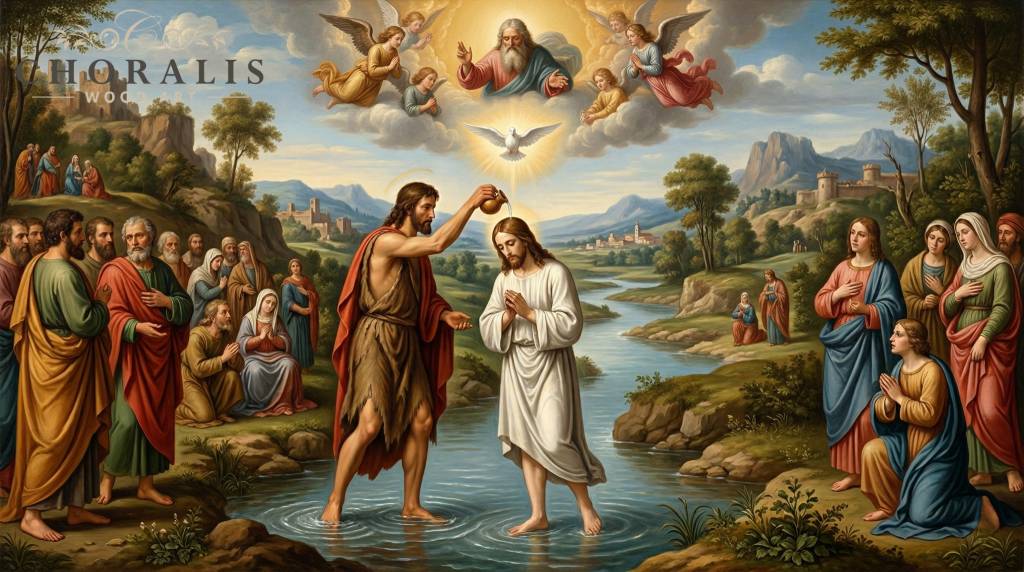
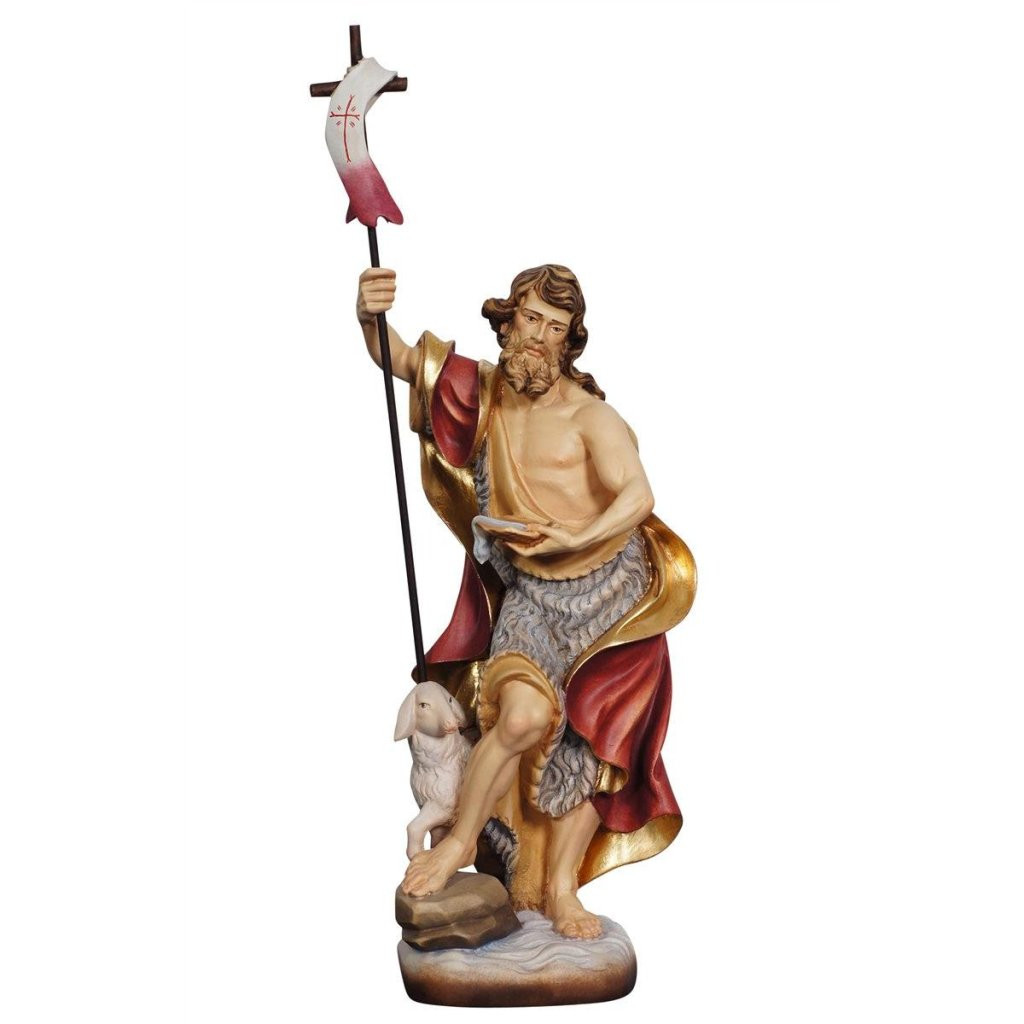
The Iconography of John the Baptist From the Renaissance masters like Leonardo da Vinci and Caravaggio to the expressive works of the Baroque, artists have captured John's intensity through three primary visual archetypes: • The Desert Preacher: Often clad in camel hair, holding a reed cross, and pointing toward the "Lamb of God" (Agnus Dei). This gesture emphasizes his role as a witness rather than the light itself. • The Baptism of Christ: Central scenes set at the Jordan River, depicting John pouring water over Jesus as the Holy Spirit descends. This moment marks the transition from the Old Covenant to the New. • The Severed Head: A somber reflection on his martyrdom, frequently depicted on a charger (platter) following the biblical narrative of Salome’s request to Herod. Key Attributes and Symbolism To identify John the Baptist in classical art, look for these specific markers:

  1. The Lamb: Representing Jesus Christ and the ultimate sacrifice.
  2. The Baptismal Shell: A reference to his ministry and the sacrament of initiation.
  3. The Scroll: Often bearing the words "Ecce Agnus Dei" (Behold the Lamb of God).

You can buy statues of John the Baptist here > https://www.choralis.art/en/saint-men

Enduring Legacy Beyond his theological significance, John the Baptist remains a symbol of uncompromising integrity. His willingness to speak truth to power, which ultimately led to his execution, cements his place as a timeless emblem of the human conscience. Today, masterpieces in the Louvre, the Uffizi, and the National Gallery continue to draw crowds, proving that the "voice crying out in the wilderness" still resonates in the modern age.